Within this post I will be talking about the responsibilities of an art director whilst differentiating them from other roles such as; Creative Director, Account Director and Senior Director.
Art Director Differentiation.
Art Directors play critical roles in visualising the style and overall look of projects such as; magazines, websites and advertisements. They lead photographers, designers and other creatives to ensure the visuals generate a clear message to the audience. Whereas the art director will generate clear messages by constructing the optimal colour, typography, layout, etc. Ultimately, this role is highly essential to achieve the projects communication or marketing objectives visually and emotionally.
Distinguishing the role of an art director is very important within the creative space. The “Creative Director” leads the conceptual vision of campaigns with strategically aligned creative output by constructing the overall message. The “Account Director” manages on business related matters and successful deliveries rather than increasing client satisfaction. The “Senior Designer” works under the guidance of the art director to create high quality visual designs.
Art Director’s Work.
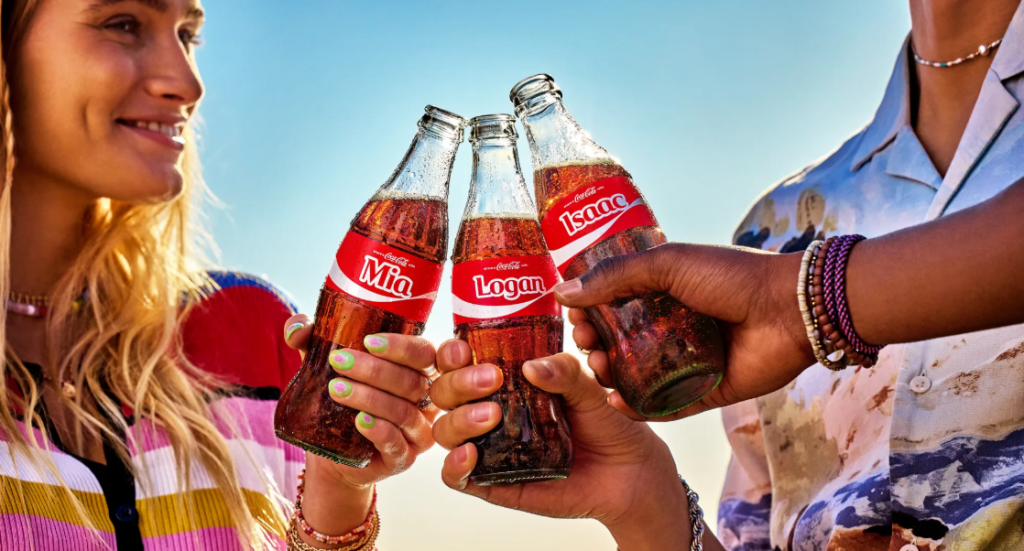
A famous example of a successful campaign is the Coca-Cola: “Share a Coke”, the campaign launched in Australia 2011 which eventually grew to a global scale from its positive feedback. The art directors that created the campaign were Ogilvy & Mather Sydney. The approach to the campaign was straightforward and highly effective, the Coca-Cola logo was replaced with common names that encouraged consumers to purchase a bottle for someone who’s name appeared on the packaging. Each name is displayed in a bold text in the typographical style that Coca-Cola uses in their logo to show that this bottle was specifically made for that consumer. The campaign reached significant success with multiple benefits such as an incline in engagement with consumers by promoting connection and sharing, which ultimately lead to an approximately 7% increase in sales.

The impact of Ogilvy & Mather Sydney’s Coca-Cola “Share a Coke” campaign was substantial with millions of people connecting together and sharing a drink with a smile. The art direction was very different to other campaigns that used traditional advertising and relied more on visual identity and emotional connection. The reason why an Art Director was important to this campaign is because, without their simple design consumers wouldn’t actively go out looking for their friends name on bottles and possibly opt into another generic beverage.
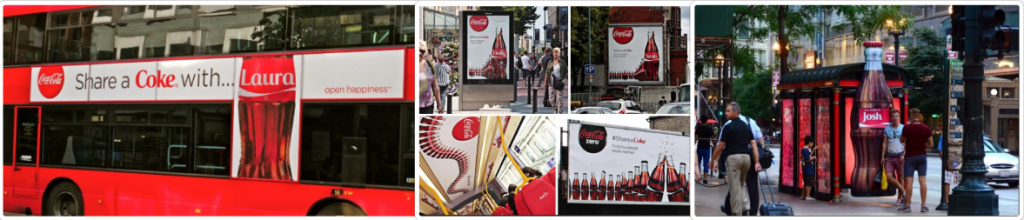
Art Direction will always stay as an essential role, this is because it shapes how the audience will connect with brands and organisations just like the “Share a Coke” campaign. Powerful art direction ensures that emotional connections are portrayed within strong visual communication. Art directors change perception and create impacts in the “Share a Coke” campaign, this is done by altering the typical “Global Brand” into a more personal experience with social benefits. Ultimately, an art director enforces its importance within the workspace for how ideas are visually constructed, communicated and understood.
N.A (March 2025) The Coca Cola Company. Available at: https://www.coca-colacompany.com/media-center/iconic-share-a-coke-is-back-for-a-new-generation [Accessed 22/02/2026]
Rahul Rana (November 2024) rrational. Available at: https://rrational.com/shareacoke [Accessed 22/02/2026]
N.A (September 2014) JCDecaux. Available at: https://www.jcdecaux.ie/news/campaign-month-coca-cola-shareacoke [Accessed 23/02/2026]
N.A (September 2014) JCDecaux. Available at: https://www.jcdecaux.com/blog/campaign-showcase-coca-colas-share-coke [Accessed 23/02/2026]